
Roseville, California: Connected Suburban Living with Local Character
Roseville, California, offers a polished suburban lifestyle with deep local roots, strong amenities, and convenient access to the greater Sacramento region. Located in Placer County, Roseville appeals to homebuyers who want shopping, dining, parks, schools, medical services, and commuter routes close to home. The city has grown into one of the region’s most desirable residential hubs, yet it still holds onto a strong sense of place through its historic downtown, long-standing neighborhoods, community events, and family-friendly recreation. Residents enjoy a balanced setting where established streets, newer master-planned areas, and active commercial districts all contribute to daily convenience. From weekend errands at major retail centers to evenings in Downtown Roseville or afternoons along local trails, the city makes everyday living feel organized, comfortable, and connected. For buyers looking at the Sacramento area, Roseville offers a thoughtful blend of suburban comfort, economic strength, and neighborhood variety.
What Is the History of Roseville, California?
Roseville’s history began long before modern development shaped the city into a major suburban center. The area was originally home to the Nisenan Maidu people, who lived throughout the region and relied on the natural landscape for food, trade, and community life. Creeks, oak woodlands, and open land shaped the earliest patterns of settlement. As California changed during the 19th century, transportation became the force that would define Roseville’s future.
Roseville began growing as a railroad town in the 1860s. Its early name, Junction, reflected its location where rail lines connected routes through Northern California. The arrival of the Central Pacific Railroad helped create a practical foundation for trade, travel, and industry. As rail activity expanded, businesses and homes followed. The community became increasingly important after Southern Pacific moved major railroad operations to Roseville in the early 1900s. The rail yard became one of the city’s defining features and helped establish Roseville as a working, connected community.
Through the 20th century, Roseville continued to grow beyond its railroad identity. Agriculture, commerce, housing, and regional transportation all played a role in shaping the city. Postwar growth brought new subdivisions, schools, parks, and civic services. Later decades brought larger retail centers, business development, and expanded infrastructure. The city’s location near Sacramento, Interstate 80, and the Sierra foothills made it especially attractive to families, professionals, and businesses.
Today, Roseville honors its railroad heritage while supporting a modern suburban economy. Historic buildings, Downtown Roseville, and local museums preserve pieces of the city’s past. At the same time, newer neighborhoods, medical campuses, shopping districts, and business parks show how Roseville continues to evolve. The city’s history is rooted in movement, connection, and steady reinvention.
Homes for Sale
What Is Life Like in Roseville, California?
Life in Roseville is active, convenient, and community-focused. Residents have access to a wide range of shopping, dining, recreation, entertainment, and public services, which makes the city feel complete and self-sufficient. One of Roseville’s biggest lifestyle strengths is how daily errands, family activities, work needs, and weekend plans often happen close to home. Large retail destinations, neighborhood shopping centers, local restaurants, parks, trails, and civic spaces are spread throughout the city.
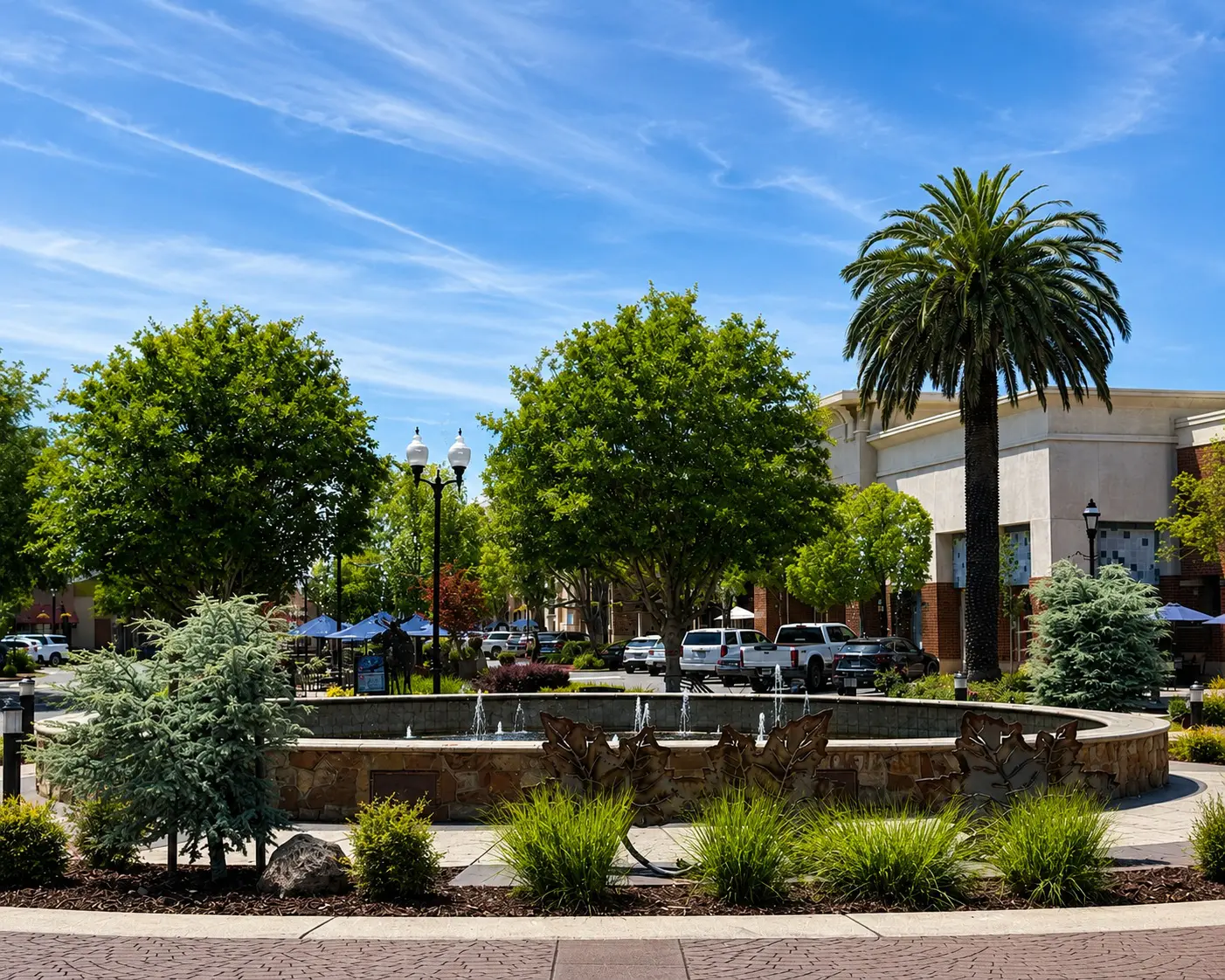
Shopping is a major part of Roseville’s identity. Westfield Galleria at Roseville and the Fountains at Roseville draw visitors from across the region, offering national retailers, restaurants, entertainment, and outdoor gathering spaces. Downtown Roseville provides a different experience, with local restaurants, small businesses, public events, and a historic setting that gives the city a more personal feel. Vernon Street and the surrounding downtown blocks host seasonal activities, concerts, markets, and community celebrations that help residents stay connected.
Outdoor recreation is easy to enjoy throughout Roseville. The city maintains an extensive park system with playgrounds, sports fields, open spaces, aquatic facilities, and trails. Maidu Regional Park is one of the community’s most loved recreation areas, offering sports amenities, walking paths, a community center, and access to cultural history. Trails throughout the city support walking, running, and biking, while nearby Folsom Lake, the American River Parkway, and the Sierra foothills add even more outdoor options within a short drive.
Roseville also has a strong civic atmosphere. Community programs, youth sports, senior services, library events, holiday celebrations, and neighborhood activities help create a welcoming environment for people at all stages of life. The city feels organized and well-served, with amenities that support both busy households and relaxed weekends. For many residents, Roseville offers the comfort of suburban living with enough variety to keep life engaging year-round.
What Are the Best Neighborhoods in Roseville, California?
Roseville offers a wide range of neighborhoods, from established areas with mature trees to newer master-planned communities with parks, trails, and modern homes. Buyers can find quiet residential streets, golf course settings, commuter-friendly locations, and neighborhoods close to shopping, schools, and recreation. Each area has its own personality, and together they give Roseville broad appeal.
Johnson Ranch: Johnson Ranch is one of Roseville’s established residential areas, known for its mature landscaping, convenient location, and comfortable suburban feel. Homes in this area often feature traditional single-family layouts, larger yards, and tree-lined streets, appealing to buyers who appreciate an established neighborhood setting. Johnson Ranch is near shopping, dining, medical services, parks, and major roads, making daily life practical and efficient. Its location in east Roseville also provides access to nearby Granite Bay, Folsom Lake, and recreational areas. Many residents are drawn to the neighborhood because it feels settled, accessible, and connected without losing its residential calm.
Highland Reserve: Highland Reserve is a popular north Roseville neighborhood with a family-friendly feel, parks, schools, and convenient access to shopping and commuter routes. The neighborhood includes a mix of single-family homes built across different phases of Roseville’s growth. Sidewalks, neighborhood parks, and nearby retail centers make the area convenient for households seeking close-by amenities. Highland Reserve is also close to Highway 65, which helps commuters reach employment centers in Roseville, Rocklin, Lincoln, and the broader Sacramento region. The area’s appeal comes from its balance of neighborhood comfort and everyday access to services.
Westpark: Westpark is a newer master-planned area in west Roseville, offering modern homes, planned parks, trails, and a growing residential community. Buyers often consider Westpark for newer construction styles, open floor plans, and neighborhood layouts designed around family life and outdoor activity. The area continues to grow, with schools, parks, and commercial services expanding alongside housing. Westpark has a more contemporary suburban feel than some of Roseville’s older neighborhoods, with wider streets, newer infrastructure, and homes designed for current lifestyles. Its west Roseville location appeals to buyers who want space, newer amenities, and a strong sense of neighborhood development.
Fiddyment Farm: Fiddyment Farm is another well-known west Roseville community blending newer homes with a nod to the area’s agricultural past. The neighborhood features master-planned development, parks, trails, and access to newer schools and community amenities. Homes vary by builder and style, offering buyers options such as single-story designs, larger family homes, and newer energy-efficient features. Fiddyment Farm appeals to residents who want a modern neighborhood setting with room to grow. As west Roseville continues to develop, the area remains attractive to buyers seeking newer homes, planned amenities, and access to the city’s expanding residential corridor.
Diamond Oaks: Diamond Oaks offers an established neighborhood setting near central Roseville, with homes close to shopping, dining, parks, and golf-course surroundings. The area is especially appealing to buyers seeking mature landscaping, a convenient location, and a classic Roseville feel. Many homes in Diamond Oaks sit on comfortable lots with easy access to major retail destinations and downtown amenities. The neighborhood’s central position makes it practical for residents who want shorter drives to services throughout the city. Diamond Oaks has a relaxed residential character that reflects Roseville’s growth through earlier decades while still remaining highly connected to modern conveniences.
Together, Roseville’s neighborhoods offer choices for many lifestyles, including buyers who prefer established homes, newer communities, walkable access to parks, or quick routes to shopping and work. The city’s diverse neighborhoods help residents find a setting that fits their daily routines, long-term plans, and preferred pace of life.
What Schools Are in Roseville, California?
Roseville is served by several respected public school districts, giving families access to a strong educational network across elementary, middle, and high school levels. Depending on the neighborhood, students may attend schools within Roseville City School District, Dry Creek Joint Elementary School District, Eureka Union School District, or Roseville Joint Union High School District. This structure gives the city a broad mix of campuses, programs, and community connections.
Roseville City School District serves many elementary and middle school students within the city, with campuses focused on core academics, student support, arts, technology, and enrichment opportunities. Dry Creek Joint Elementary School District serves portions of Roseville and nearby communities, including several fast-growing residential areas. Eureka Union School District serves parts of east Roseville and surrounding communities, offering elementary and middle school options that are often a consideration for buyers on that side of the city.
At the high school level, Roseville Joint Union High School District serves students across Roseville and neighboring communities. Schools such as Roseville High School, Woodcreek High School, Oakmont High School, and West Park High School provide academic pathways, athletics, performing arts, clubs, Advanced Placement opportunities, career-focused programs, and college preparation. Each campus contributes to the broader community through sports, arts performances, student events, and local partnerships.
Private and parochial education options are also available in and around Roseville. Families may consider schools such as St. Rose School, Valley Christian Academy, and other nearby faith-based or independent campuses. These schools often provide smaller learning environments, religious instruction, and specialized academic approaches.
Higher education is accessible nearby. Sierra College in Rocklin is one of the closest options, offering associate degrees, career training, transfer pathways, and continuing education. California State University, Sacramento, is within commuting distance and offers undergraduate and graduate programs across many fields. Roseville’s location also gives students access to additional colleges, technical programs, and professional training throughout the Sacramento region.
What Is the Weather Like in Roseville, California?
Roseville has a Mediterranean-style climate with hot, dry summers and cool, wetter winters. The city averages about 265 sunny days per year, around 24 inches of rainfall, and very little measurable snowfall, typically close to 0 inches in an average year. This weather pattern supports outdoor living through much of the year, especially during spring, fall, and mild winter stretches.
Summer in Roseville is hot and dry, with daytime highs often reaching the 90s and occasionally exceeding 100. Mornings can be comfortable, making early walks, bike rides, and outdoor errands popular before the afternoon heat arrives. Many residents rely on shaded patios, pools, splash pads, and indoor recreation during the warmest part of the day. Even with high daytime temperatures, summer evenings can be pleasant once the sun lowers and delta breezes reach the region.
Fall brings some of Roseville’s most comfortable weather. Daytime temperatures often shift from the 80s into the 70s, with cooler mornings and evenings. This season is ideal for community events, outdoor dining, youth sports, farmers’ markets, and weekend trips into the foothills. Trees throughout established neighborhoods add seasonal color, especially in areas with mature landscaping.
Winter is cool and rainy compared with the rest of the year, but conditions remain mild by national standards. Daytime highs often sit in the 50s, while nights can dip into the 30s and 40s. Rainfall supports the region’s creeks, trees, and open spaces. Snow is rare in Roseville, though residents can reach Sierra snow recreation with a drive east.
Spring arrives with green hillsides, blooming trees, and comfortable temperatures in the 60s and 70s. The season encourages gardening, park visits, youth sports, and trail use before the summer heat builds.
How Convenient Is Transportation in Roseville, California?
Transportation in Roseville is highly convenient for residents who commute, travel regionally, or want easy access to shopping and services. The city sits along Interstate 80, one of Northern California’s key east-west routes. This freeway connects Roseville, Sacramento, Rocklin, and Auburn, and the Sierra Nevada. Highway 65 also runs through the area, providing an important connection to Lincoln, Wheatland, and employment centers along the corridor.
Commuters benefit from Roseville’s position within the greater Sacramento region. Downtown Sacramento is typically reachable by car, depending on traffic, and nearby job centers in Rocklin, Lincoln, Folsom, Rancho Cordova, and Natomas are accessible through major road networks. Local arterial roads such as Douglas Boulevard, Sunrise Avenue, Pleasant Grove Boulevard, Baseline Road, and Foothills Boulevard help residents move between neighborhoods, schools, retail centers, medical campuses, and parks.
Public transportation is available through Roseville Transit, which provides local bus service, commuter routes, and connections to regional transit options. The Roseville Transit system supports residents who travel within the city and those who need connections to Sacramento. The Roseville Amtrak station also provides passenger rail access, including Capitol Corridor service that supports regional travel. These options offer flexibility for residents who prefer alternatives to driving or need access to Sacramento without relying solely on freeways.
Roseville continues to support bike and pedestrian access through trails, sidewalks, and multi-use paths. Many newer neighborhoods include planned trail systems and parks, while established areas offer walkable access to schools and local amenities in select locations. For air travel, Sacramento International Airport is the region’s primary airport and is generally reachable in about 30 to 40 minutes by car. With freeways, transit, rail access, and proximity to the airport, Roseville offers strong connectivity for daily life and regional travel.
Are You Ready to Call Roseville Home?
Roseville, California, offers a well-rounded lifestyle shaped by strong neighborhoods, convenient amenities, respected schools, and excellent regional access. The city has grown from its railroad roots into a thriving suburban community with shopping destinations, parks, trails, medical services, local events, and a wide range of housing options. Buyers can choose from established neighborhoods with mature trees, newer master-planned communities, central locations near retail and dining, or quieter residential areas with room to settle in. Roseville also provides easy connections to Sacramento, nearby foothill communities, and weekend recreation throughout Northern California. For homebuyers who want comfort, convenience, and a strong sense of community, Roseville deserves a close look. When you’re ready to explore homes in the area or learn more about what living in Roseville could look like, reach out to me to begin your next move.